Culture and art are more than pleople and community identity, it is also about economy, nature and livelihood.
RUR ART. presents the origin of the heritage and how good old habits are transferred in modern times. It honors the role of People and local communities as rightful stewards of genetic resources and associated traditional knowledge. The region is living the spirit of an ancient civilazation with an exceptional degree of authenticity.
Meet People of Cucuteni who lived in Old Europe, today across Romania, the Republic of Moldova and Ukraine. Same habits, same area but different economic context. Nature unites by values across geographical areas, jurisdictions and cultures.

Most important cultural phenomenon of Europe.
The ancient civilisation last before the Egyptian Pyramids. Its importance is evident in the high degree of development achieved by its communities, due to an optimal adaptation to the natural environment, an effective exploitation of natural resources, a complex spiritual and material life and their social and hierarchical structure.
They used to have agricultural lifestyle, dominant and well-naturally-protected landforms, water sources, agricultural land, forests, and raw material sources.
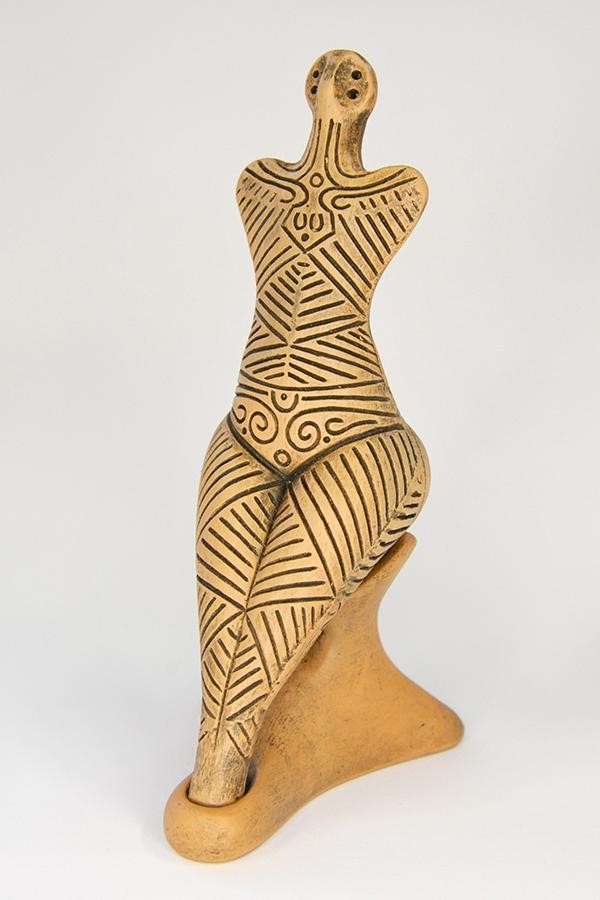
People of Old Europe were peaceful and egalitarian, worshippers of the Earth Mother Goddess.
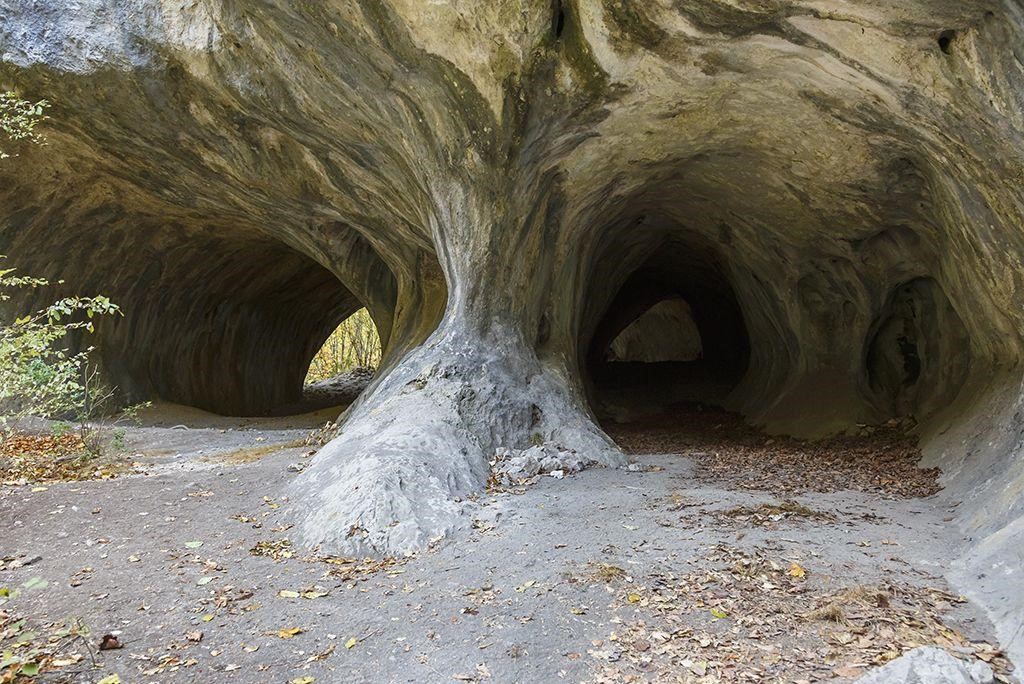
In practice, caves played an important role in the spirituality of the community. They were transformed into cult places where prestigious artefacts used to be ritually deposited.
How do they live?
Sites are closed to exploitation of natural resources. Salt („the white gold of prehistory”) held particular importance for its dietary, therapeutic and economic role.
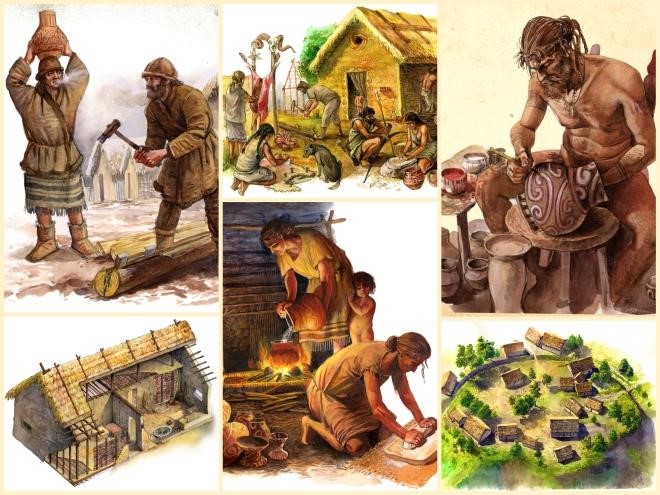
Maybe you think that they used to live in caves. It is true that both the caves and the multi-layered sites are defining component elements of the landscape they form part of.
Buildings within settlements were often arranged according to predetermined plans. Passageways ensured better interaction among community members and more efficient transport of goods.
The settlements were protected by forest edges from which they obtained significant quantities of plant food (wild fruits) and animal food (meat), illustrate the remarkable manner in which space was used and human communities interacted with the natural environment.
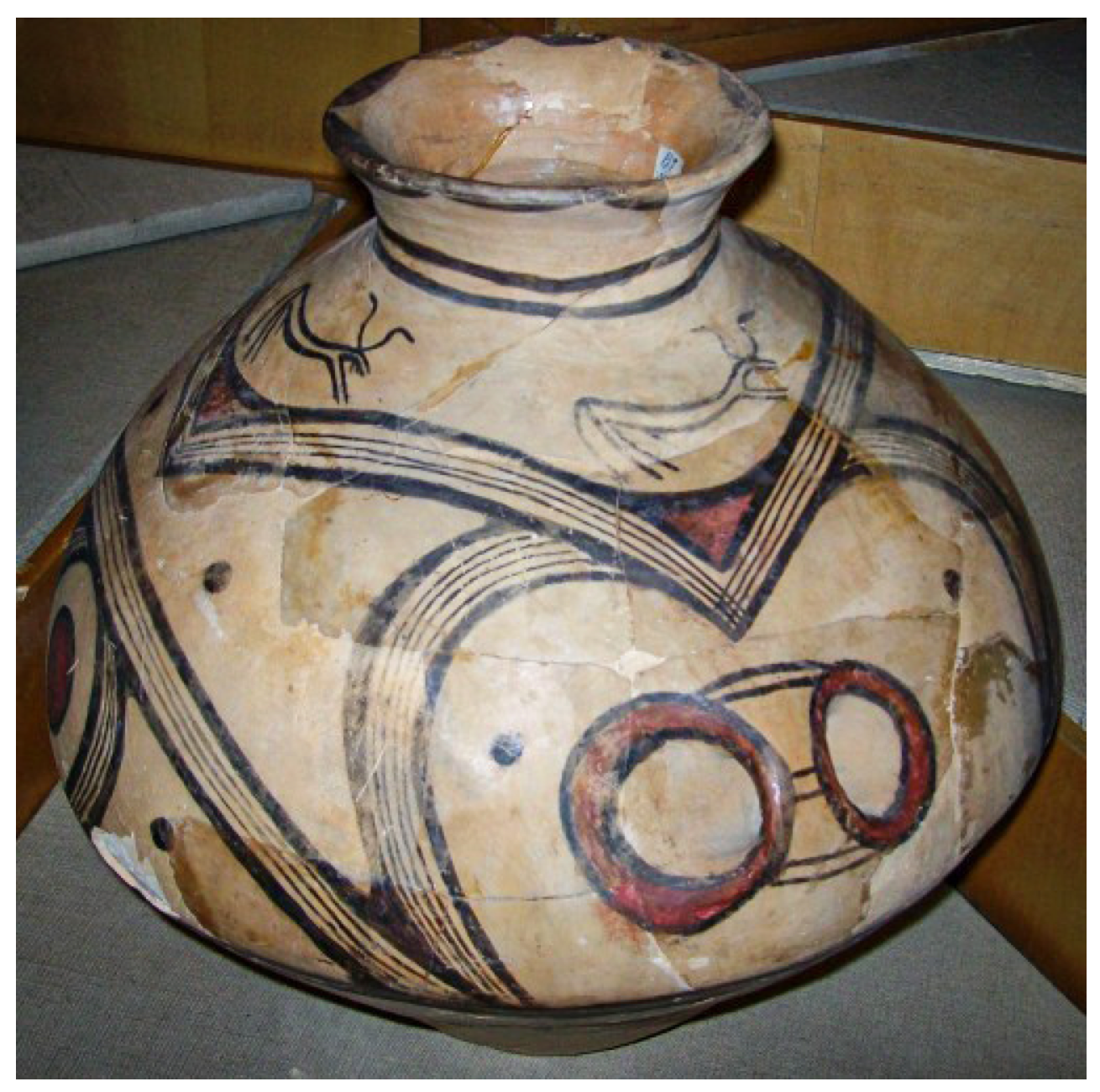
Masterpieces of decorative art reflect the communities’ spirituality.
Vessels & figurative art, majority female representations of the „Great Goddess” / „Great Mother” / „Mother Goddess”, creator of life.
Decoration was incised or painted red and black and ornamental objects were manufactured: necklaces of beads, domestic animal astragali, deer canine necklaces, bead necklaces and bracelets, bone and shell pendants, metal pendants and bracelets.
Community still leaves through its people
How do they practice today? Surprisingly, large agricultural areas are still representative. Post WW II industrialization lead to a suboptimal resource exploitation but taught the community to protect the nature and environment.
Salt still helds particular importance for its dietary and therapeutic role. It strongly represents the community being used in all traditional food recipes and embedded in Romanian saying: “I love you like the salt of the meal”. According to Romanian folk, the salt is more important than sugar or honey.
Salt is still exploited in Romania and Ukraine.
Culture of food and wine is very much present in Bucovina (Bucovina Cuisine Romania) and the Republic of Moldova (Moldavan Cuisine), being promoted internationally and european level. Part of food recipes grew in the communities and reflect their spirit.
In a global trading world, both regions are using ingredients from the farmers, belief being that is the secret of the taste.
Between those two regions is “The Land of milk and honey” (Botosani County Romania), represented by experienced producers very well known across the area.
A major wine producing region is the Republic of Moldova known as The little Tuscany of the East Europe.
Spirituality still plays an important role but through the religion that people are practicing. Community continued to develop new type of art digital or street art (Bacau County Romania) and focus to organise traditional ancestral festivals (Moldova Region – Romania and Chisinau – the Republic of Moldova).
It you are passionate about history, decorations, vessels and artefacts, they can be seen by visiting museums in Bucharest, Iasi, Neamt County (Romania) or Chisinau (the Republic of Moldova).
More than pottery, the civilisation used to be very advanced because of their way of living and multi-layered (vertically developed) archaeological sites. Today, the sector leaders in retail and construction are located in that area (Bacau County Romania), business grew supported by community work force and investment.
Today’s cities are not protected anymore by forest but the community protects THE FOREST to avoid natural disasters.
Non-formal education and social inclusion
Rural is more about farming. Culture and art is the communities’ DNA living through religion and spirituality.
The research contributies to the next SDGs:
- SDG 3 – Good health and well-being by raising awareness about the communities about the importance of good health, healthy lifestyles
- SDG 8 – Decent work and economic growth by promoting inclusive and sustainable economic growth, employment and decent work for all.
- SDG 17 – Partnership for goals – the Sustainable Developmet Goals remain the framework for building back better
Research proves that native talent and skills last over time and help communities to grow and reinvent themsleves. Sustainability is about carrying out activities repeatedly and responsible so they last over time with dignity.
Additional refferences:
- https://whc.unesco.org/en/tentativelists/7009/
- https://www.rightsfornature.eu
- https://www.youtube.com/watch?v=Bk2Qbf1YQbI
- https://voloshin.md/en/cucuteni-trypillia/